By Grace Onwukwe
Anambra State joined other states in the South-East zone in a capacity-building workshop on the Nutrition Budget Tagging Process, organized by the Federal Ministry of Budget and Economic Planning (FMBEP) in collaboration with key stakeholders and with support from the World Bank – Accelerating Nutrition Results in Nigeria (ANRiN) project.
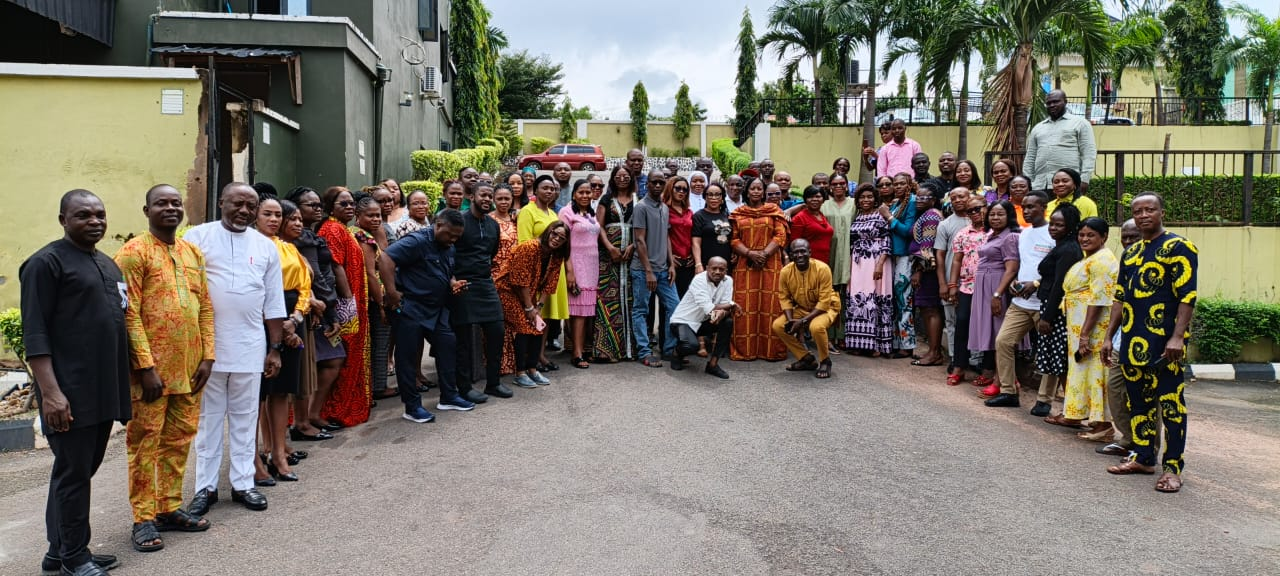
The three-day workshop, held at BON Hotel Platinum, Enugu, from October 12–15, brought together participants from nutrition-related Ministries, Departments, and Agencies (MDAs) across the five South-East states. Each team was led by the Permanent Secretary of their respective State Ministries of Budget and Economic Planning (MBEP).
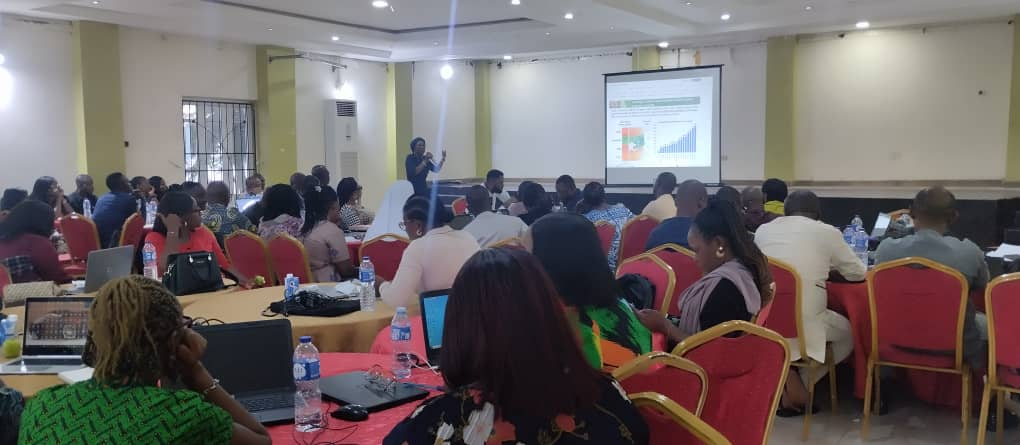
The workshop aimed to strengthen participants’ capacity in nutrition budget tagging systems and tools for effective tracking and reporting of nutrition expenditures across sectors. Participants were expected to understand nutrition budget taxonomy, tagging methods, and data analysis techniques to support evidence-based decision-making.
In a goodwill message delivered on behalf of the Minister of Budget and Economic Planning, Mrs. Franca Ugbolue, Chief Planning Officer, Nutrition Department, FMBEP, welcomed participants and reaffirmed the Ministry’s commitment to supporting nutrition initiatives. She emphasized that nutrition budgets should be SMART — Specific, Measurable, Achievable, Relevant, and Time-bound.
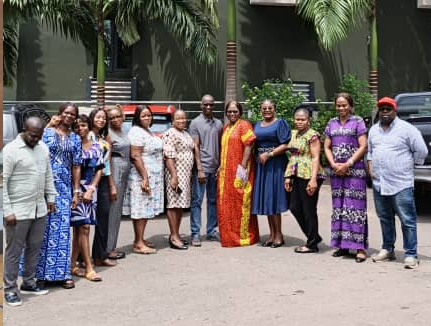
A representative of the Nigeria Governors’ Forum (NGF), Mr. Mahmood Munir, noted that the NGF has a dedicated Health Department, with nutrition as one of its key priorities.
Speaking during the session, the Permanent Secretary, Anambra State MBEP, Mrs. Chinyere Nwabachili, joined her counterparts in appreciating the workshop organizers. Describing malnutrition as a “cankerworm” that has deeply affected the nation’s economy, she stressed the urgent need for collaborative action. She also commended the FMBEP for the initiative and assured that the South-East would remain committed to implementing nutrition-focused programs.
In her opening remarks and goodwill message, the Permanent Secretary, Enugu State MBEP, Mrs. Clara Ezeh, speaking on behalf of the Enugu State Governor, Barr. Peter Ndubuisi Mbah, commended the Federal Ministry for organizing a timely workshop — especially as states are preparing their budgets. She highlighted that nutrition budget tagging is essential for aligning state budgets with national development goals and promoting inclusive growth.
Mrs. Ezeh added that the process enhances transparency, accountability, and efficiency in fund allocation and utilization to improve the well-being of vulnerable groups such as children, mothers, and the elderly. She also expressed gratitude for the inclusion of non-ANRiN states, noting that it fosters national collaboration and reflects the Enugu State Government’scommitment to transparent budgeting and nutrition financing.
The workshop sessions covered several key topics, including: “Overview of the National Multi-Sectoral Plan of Action for Food and Nutrition” (NMPFAN) 2021–2025, which aims to achieve optimal nutrition for all Nigerians by scaling up high-impact interventions.
“Public Financial Management” (PFM) systems and their role in ensuring efficient use of nutrition budget allocations.
“Budget Tagging and Nutrition-Responsive Budgeting Processes”, emphasizing the importance of nutrition from pregnancy through adulthood and its effects on national development.
“Taxonomy for Nutrition Budget Tagging”, which provides a framework for tracking and evaluating nutrition-related public expenditure.
“Budget Preparation and Coding of Nutrition Projects”, focusing on integrating nutrition into annual budget cycles using tools such as GIFMIS (Government Integrated Financial Management Information System).
“Capturing Off-Budget Spending”, addressing how to account for non-governmental nutrition financing and reporting mechanisms, and
“Using Reports for Advocacy”, which focused on stakeholder mapping, report utilization, and evidence-based advocacy for better nutrition outcomes.
Participants engaged in group work and state presentations, showcasing their 2026 priority nutrition interventions, corresponding budget tags, and performance analyses. Each state provided recommendations and shared lessons learned.
Facilitators included Susan Adeyemi (World Bank Health Specialist), Dr. Olalekan Adedun (Chief Planning Officer, Nutrition Department, FMBEP), Eunice Kodak (Federal Ministry of Health), and Dalhatu Danalidi (Ministry of Budget).
At the close of the event, the Anambra State Nutrition Officer, Dr. Rose Amasiana, expressed gratitude for the successful and impactful workshop and prayed for safe travels for all participants.
Grace is of the Ministry of Information, Anambra State