By Obiageli Nwankwo
Anambra State’s Education system under Governor Chukwuma Soludo, has been described as detribalised, inclusive, and transformative, offering free education to both indigenes and non-indigenes alike.
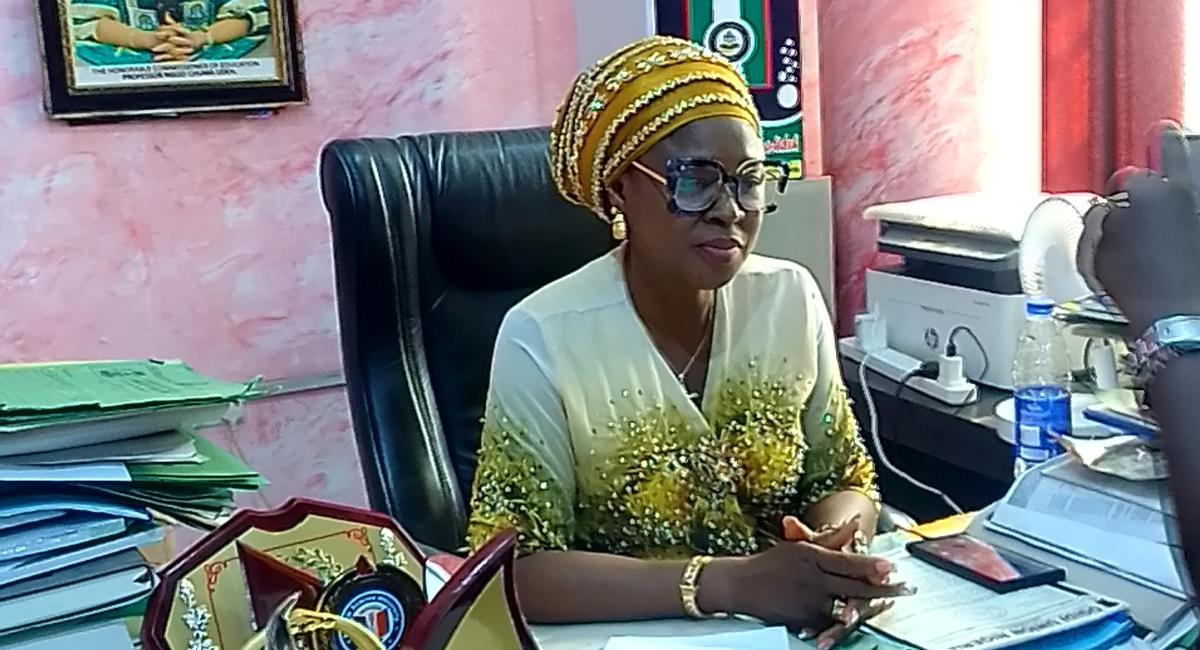
The Commissioner for Education, Prof. Ngozi Chuma-Udeh, said this in her office at the State Secretariat, Awka, while reviewing achievements in the state’s education sector.
She said that the state’s free education policy reflects Governor Soludo’s commitment to equal opportunity and quality learning for all children, regardless of their origin.
According to her, the impact of the policy is already evident in the influx of students from neighbouring states seeking to benefit from the state’s innovative educational reforms.
Prof. Chuma-Udeh highlighted that the Soludo administration has ended the era of “classrooms without teachers” by recruiting over 8,000 teachers within months of assuming office in 2022. She noted that the governor’s vision of producing skilled and globally competitive students has given rise to the Smart School Initiative.
Under this initiative, 21 public schools, one in each local government area, are currently being upgraded to smart schools in the first phase, with others to follow. Teachers across the state are also being trained to effectively use digital and smart teaching tools.
The commissioner further said that Governor Soludo’s inclusive approach extends to special needs education. Schools for children with disabilities in Odoakpu, Umuchu, and Isulo have been equipped with braille materials, talking computers, massage equipment, wheelchairs, and walking aids. Their monthly allocations, she said, are paid promptly and conscientiously.
Speaking on the state’s recent achievements, Prof. Chuma-Udeh noted that Anambra won nine out of 15 national education awards, including the Best Public Primary School in Nigeria, clinched by Woliwo Primary School, Onitsha, at the President’s Teachers and Schools Excellence Award in Abuja.
She emphasized that effective quality control and supervision are maintained through agencies like the Anambra State Universal Basic Education Board (ASUBEB) and the Post Primary Schools Service Commission (PPSSC). The Ministry, she added, also encourages community participation through the “If You See Something, Say Something” initiative to report and address any misconduct or irregularities in schools.
Highlighting further strides, she announced that plans are underway to establish 27 new community schools across communities lacking educational facilities. The administration is also revamping dilapidated infrastructure, with schools such as Uga Boys Secondary School, already benefiting from massive renovation projects.
Prof. Chuma-Udeh concluded that Governor Soludo has achieved within three years without borrowing money what no administration has accomplished in over three decades in the state’s education sector, a feat that has earned him overwhelming support from parents and teachers for a second term in office.
Obiageli is of the Ministry of Information, Anambra State