
By Grace Onwukwe
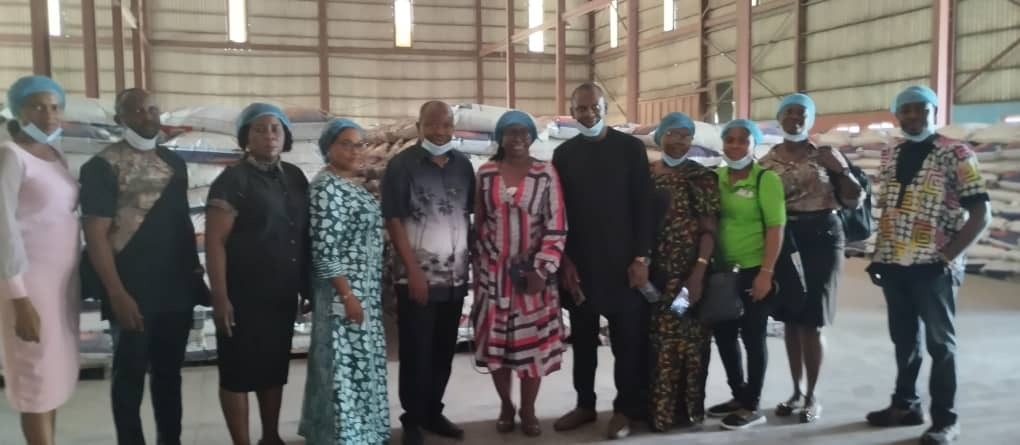
The Technical Working Group and Stakeholder task team from Federal Ministry of Budget and Economic Planning (MBEP), Abuja have monitored the Food System Transformation Pathways in Anambra State.
The objective of the monitoring according to Mrs Felicia Nwofe from the Secretariat, Food System Transformation, Federal Ministry of Budget & Economic Planning was to see what Anambra State is doing towards achieving the SDG goals (2 & 3) of the nation which is food security and good health of the citizens respectively. It will also provide feedback on implementation to the United Nations Food Systems Coordination Hub as part of the concurrence to the UN Food System Summit in 2021.
Food System Transformation Pathways involves tracking progress towards achieving sustainable and resilient food systems. It also entails collecting data, analyzing trends and assessing the effectiveness of interventions implemented along various stages of the food system from production to consumption to include: Food production, distribution, access, storage, consumption and impact on nutrition, health, economy and the environment. It also involves identifying areas for improvement and making adjustments to policies and programs.
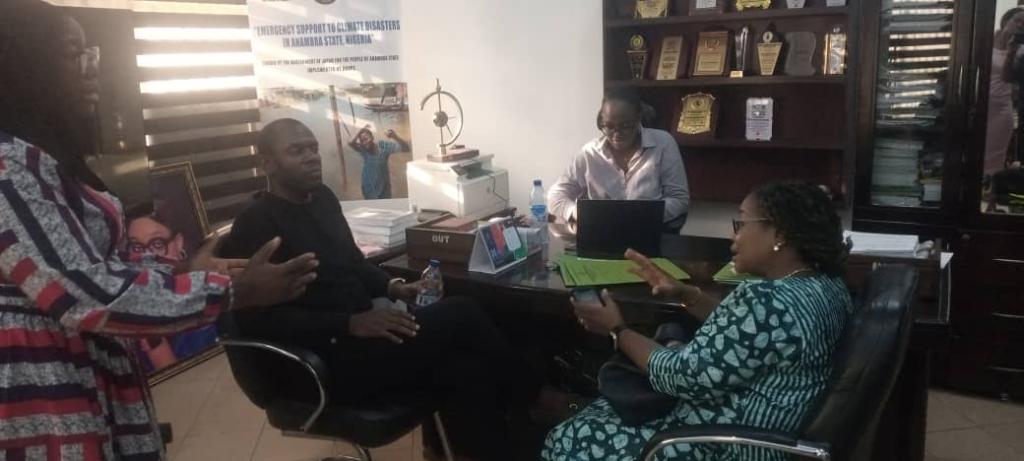
The exercise commenced with a brief meeting of the Federal team and state officials at the Ministry of Budget & Economic Planning, Awka on May 27. The state team comprises of some senior management staff of the Anambra State Ministries of Budget & Economic Planning (MBEP), Agriculture, Education, Health and other Stakeholder MDAs.
The Commissioner for Budget and Economic Planning, Mrs Chiamaka Nnake while welcoming the Federal team and other participants, assured them of their safety while in the state. She emphasized that apart from farming and animal production, the wife of the Governor of Anambra State, Dr Nonye Soludo has a pet project, “Healthy Living With Nonye Soludo”. Through the pet project, she has produced and distributed over 12,000 ‘QUASH PAP,’ a healthy pure organic and nutritional food meant to balance the gap of malnutrition among children and infants.
She noted that Dr Nonye Soludo started the production of the ‘QUASH PAP’ when she noticed that nutrition data of some children in Anambra was poor. She added that though the production and usage is currently working only in Anambra, it will soon be globally recognized and used.
“Currently, WHO National team has visited the production cite of the QUASH PAP for fact finding and commended her for the excellent interventions in Anambra State to curb malnutrition among children 6 – 59 months. UNICEF National team has also planned to visit the cite again for findings to see if the product will be certified for international acceptance.”
The Permanent Secretary, MBEP, Mrs Chinyere Nwabachili thanked the federal team, assuring them of the state team’s necessary support to ensure successful monitoring and reportage.
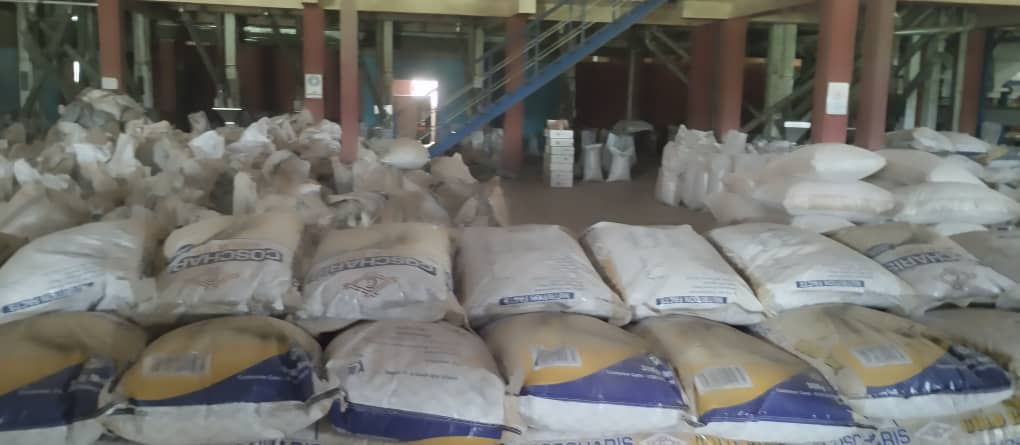
Meanwhile in order to check the impact of the Food Systems Transformation Agenda in the state, the teams led by the Permanent Secretary, Ministry of Agriculture, Mrs Ifeyinwa Uzoka embarked on field work. Among the areas visited was the Coscharis Farm. The farm was one of the Private Public Partnership arrangements selected in order to have the impact of farm clusters.
According to the Managing Director, Coscharis Farm, Mr Chinedu Okere, the farm is a subsidiary of COSCHARIS Group that invests in a comprehensive rice value chain encompassing cultivation, milling, storage and marketing with a 2500- hectare farm.
He emphasized that due to interest in other value chains, the farm partners with in-growers and out-growers that is small holder farmers farming on the farm from various locations, stressing that one can be in Abuja, Lagos or in the Diaspora and use his/her phone to monitor what is happening in the field. The farm has 6000 profiled smallholder farmers in Anaku, Ayamelum LGA and 13,500 Smallholder farmers in Orumba North and South LGAs in partnership with IDH, an international global organization.
There are also 4000 farmers in Izzi, Ebonyi and 3000 farmers in Ogoja, Cross River State working with Coscharis Farm with support from USAID but the project ended and before they could start up another one, USAID went down.
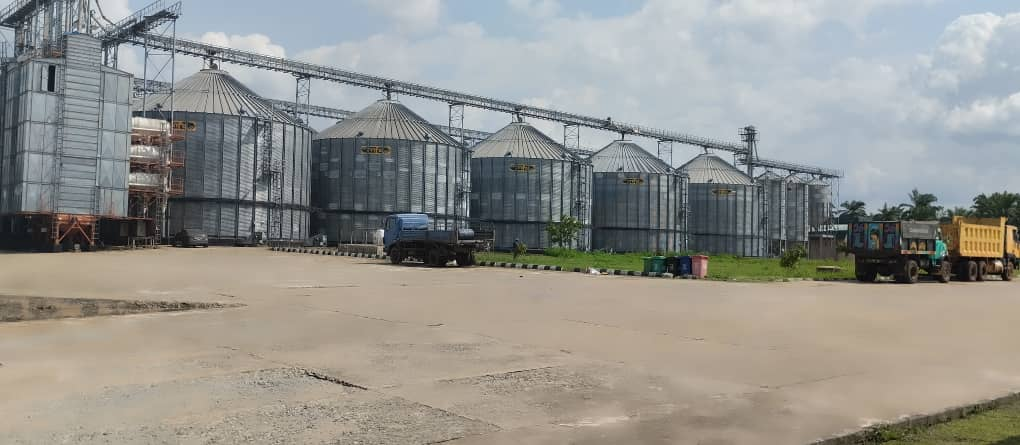
The farm has the capacity to produce 40,000 Metric tones of rice every year and has a staff strength of 100 full time employees and 300 part time employees. The farm also has the Silo which in concession to them for some years by the Federal Government.
He noted that late input supply and improper channel of distribution are the major challenges encountered by farmers in the South East zone.
According to him, South East Agricultural calender differs from that of the Federal Ministry of Agriculture which rhymes with that of the North and this results to late supply of inputs to the South East which affects crop yield.
“As we speak, inputs are supposed to be in Anambra, but they usually come in August when we must have finished farming.”
He urged the Federal team to redirect some of the efforts and see how they can look at the calenders of each zone, stressing that agriculture is evolving in the South East as many individuals and state governors are now looking at Agricultural value-chain as areas to invest in.
Responding, Mrs Nwofe pointed out that a lot of agricultural programs are being carried out at the federal level and most of the interventions mostly go to the North because South East zone does not show interest. She encouraged them to always engage actively in order to get their qouta of interventions.
She, however, expressed satisfaction over the improvement recorded by the COSCHARIS Farm since December 2023 when she visited the state last, saying: “I am very happy that you are making giant strides. The more you grow, the better it will be for the state and our country. If we have something like this 2 or 3, the food security we are crying over all this while will be achieved”.
Mr Temitope, a Communication expert from the Federal team also expressed satisfaction over the monitoring, saying that from their observations, they will compile a report which they will present at Ethiopia in June.
The Permanent Secretary, Ministry of Agriculture also expressed joy at the turn out of the event, emphasizing that the team had a full value-chain visited in completing the mission and vision of Food System Transformation Pathway.
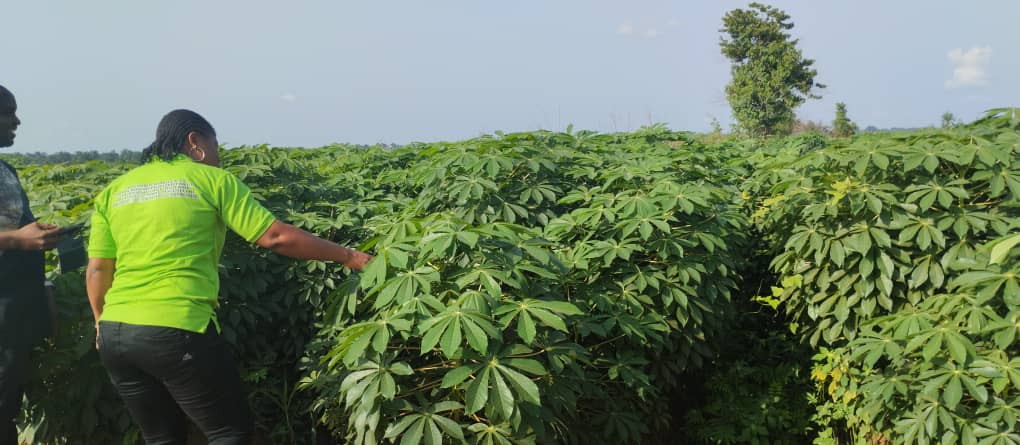
“We have visited some schools, cassava farms, COSCHARIS Farm Holdings and processing centers with stacks of rice being piled up to get to the table of the consumer.”
Dr. Rose Amasiani, the State Nutrition Officer and the Secretary SCFN, while Presenting the QUASH PAP to the Federal team, noted that it is being produced with locally sourced pure organic materials (groundnuts, soybeans and corns) under a healthy and hygienically kept environment. She elaborated the nutritional values of the pap to include rich in carbohydrates, proteins, healthy fats, fibers and zinc. The pap also boots nutritional benefits like Vitamin B1, B2, B3 and iron, saying that the pap is a rich solution to nutritional deficiencies in children and support breast milk for children above six months.
Grace is of the Ministry of Information, Anambra State


Good one