By Obinwa Chikaodili
For decades, access to clean and reliable water remained a persistent challenge for residents of Anambra State. From bustling commercial hubs like Onitsha and Nnewi to rural communities in Ihiala and Aguata, the absence of a functioning public water system forced residents to rely on private boreholes, tanker deliveries, or untreated surface water. But under the leadership of Governor Chukwuma Soludo and the reforms spearheaded by Hon. Ikeobi Ejiofor, Managing Director of the Anambra State Urban Water Assets Holding Corporation (ASUWAHC), the tide is turning.
From Collapse to Resurgence
When Hon. Ikeobi Ejiofor assumed office on October 18, 2022, the state’s water sector was in institutional and infrastructural disrepair. “There was no functional water corporation,” Ejiofor revealed in a recent interview. “The organization was practically nonexistent. I was not handed over anything because there was nothing to hand over.”
Historically, Anambra once had a vibrant water sector. However, years of neglect, lack of political will, and the absence of sustainable planning led to its collapse. A prolonged 14-year legal dispute between former staff and the government further compounded the situation.
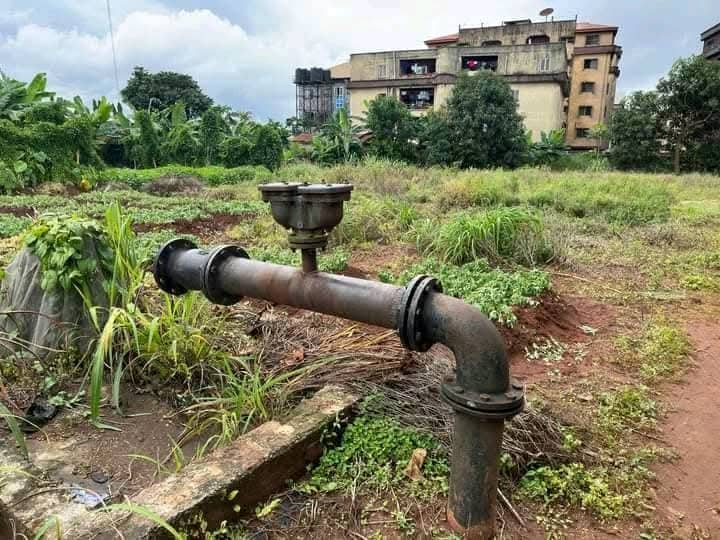
BEFORE
Governor Soludo’s administration moved swiftly to address these issues. The legal battle was amicably resolved, and outstanding staff salaries were paid. More importantly, the 2015 legislation establishing the current Urban Water Corporation was finally activated—this time with renewed political will and competent leadership.
“Governor Soludo’s intervention brought the much-needed political will. We had to rebuild not just infrastructure, but public confidence,” Ikeobi noted.
The Solution Agenda: Water as a Human Right
Governor Soludo’s “Solution Agenda,” launched at the start of his tenure in March 2022, prioritizes access to clean water and improved sanitation as key pillars of development. His administration’s water policy is anchored on three strategic pillars:
- Hydrogeological Mapping: A statewide master plan to chart underground water resources.
- Revitalization of Major Urban Water Schemes: Comprehensive rehabilitation and modernization of legacy infrastructure.
- WASH Program (Water, Sanitation and Hygiene): Aimed at eliminating open defecation and enhancing hygiene awareness.
These reforms are beginning to yield visible results. Urban water schemes once considered defunct are coming back to life, offering renewed hope for residents.
Reviving the Big Five: Key Urban Water Schemes
The backbone of Anambra’s water infrastructure revival rests on five major urban water schemes currently undergoing extensive rehabilitation:
- Greater Awka Water Scheme
- Greater Onitsha Water Scheme
- Obizi/Aguata Riverine Water Scheme
- Nnewi Water Scheme
- Otuocha Water Scheme
These strategic schemes are designed to serve densely populated cities, industrial zones, and surrounding communities—paving the way for equitable water distribution.
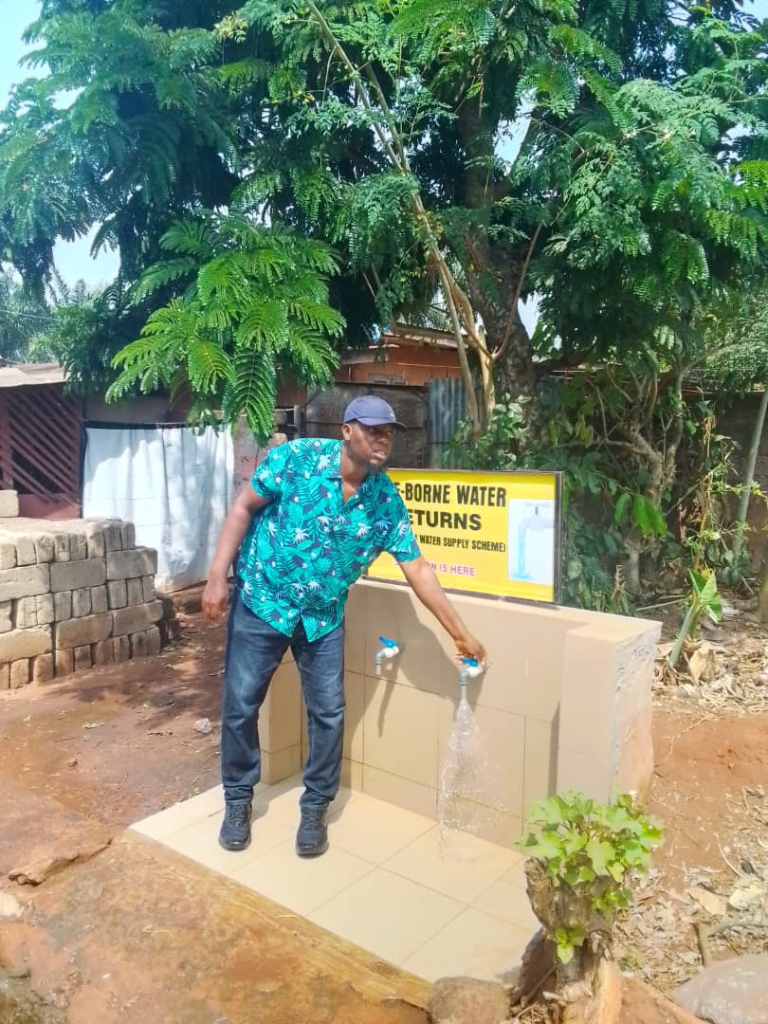
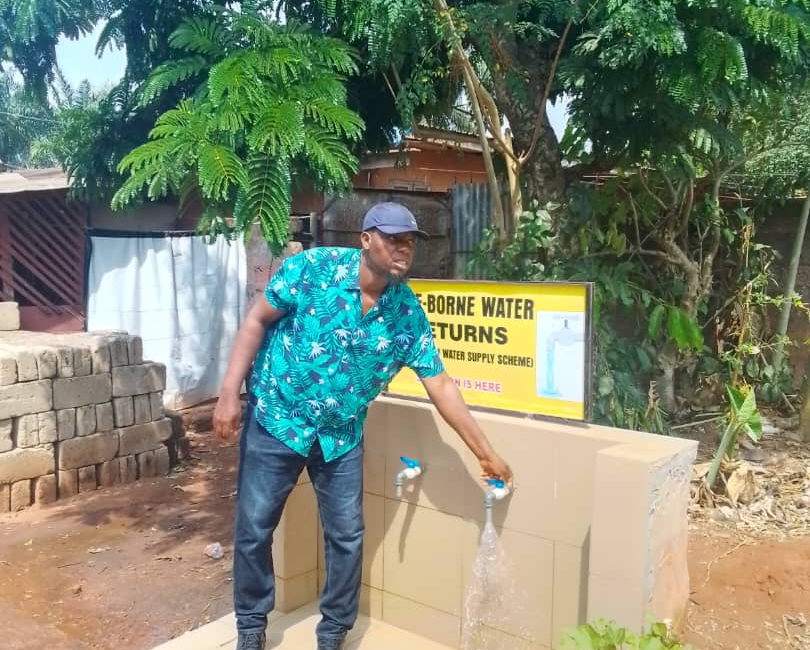
AFTER (The Solution is Here)
Infrastructure Milestones and Solar Innovation: Since 2022, the Corporation has recorded key milestones, including:
Reactivation of the Greater Onitsha Water Scheme, now supplying potable water to multiple neighborhoods.
Ongoing pipeline expansions in Awka and Nnewi, featuring smart metering and leak detection systems to improve efficiency.
Deployment of over 50 solar-powered water schemes in peri-urban and rural communities, offering a sustainable alternative to boreholes.
“The solar water systems have been a game changer for rural communities. They are cost-effective, environmentally friendly, and easy to maintain.
“By powering our facilities with solar, we’ve reduced operational costs and aligned with global best practices,” he added.
Community Participation and Sustainability: To ensure sustainability and local ownership, ASUWAHC launched the Community Water Volunteer Program, training over 300 young people across all Local Government Areas to monitor, report, and help maintain local water infrastructure.
Supported by UNICEF and USAID, the initiative has improved service delivery and encouraged grassroots participation.
Real-Life Impact: Clean Water, Better Lives
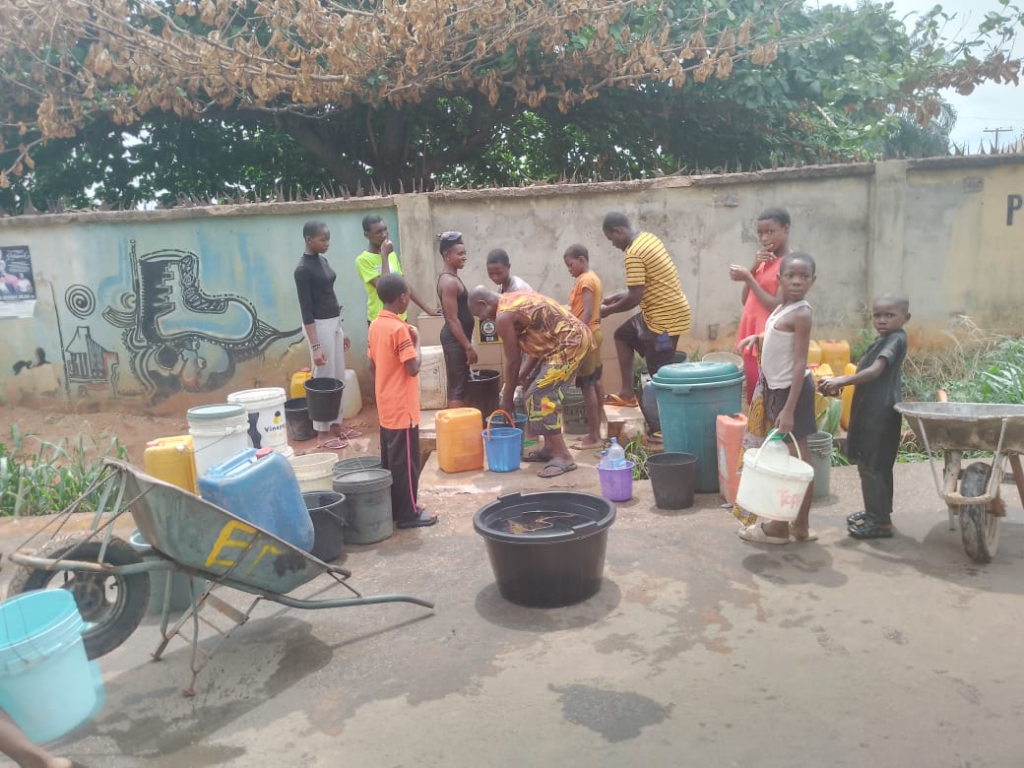
In urban centers like Awka and Onitsha, residents are beginning to feel the benefits of the revitalized water infrastructure. In parts of Awka, where households once depended entirely on boreholes and vendors, treated water now flows from rehabilitated public taps multiple days a week.
According to Amaka Okezie, a resident in Awka, “We used to pay ₦3,500 every week for water tankers. Now, water runs from the public taps. It has saved us a lot.”
Funding, Accountability, and the Road Ahead
For 2025, Governor Soludo allocated ₦5.2 billion to water infrastructure and sanitation projects—a record budget that covers urban reticulation, smart metering systems, and a GIS-based water asset mapping platform.
Yet challenges persist.
“Urban migration is putting pressure on our systems, and we still battle with vandalism and illegal connections but the systems we’ve built are resilient and scalable,” Ejiofor acknowledged.
Looking Towards 2027: Water for All
During a recent inspection in Nnewi, Governor Soludo reaffirmed his bold vision for universal water access by 2027. “No society can thrive without water. Our vision is clear: sustainable, affordable water for every Anambra family,”the governor declared.
As water begins to flow again across Anambra State, the journey from scarcity to supply is no longer just a promise—it’s a quiet revolution. “One pipeline, one tap, one community at a time.”
- Obinwa is of the Ministry of Information, Anambra State *