By Chukwuemeka Orji
In a strategic move to restructure and revitalize the palm oil sector, the Anambra State Government has inaugurated state-level committees under the National Palm Oil Traceability System (NAPOTS). The initiative, introduced by the Federal Ministry of Agriculture and Food Security, aims to combat oil adulteration, improve product quality, and ensure transparency across the palm oil value chain.
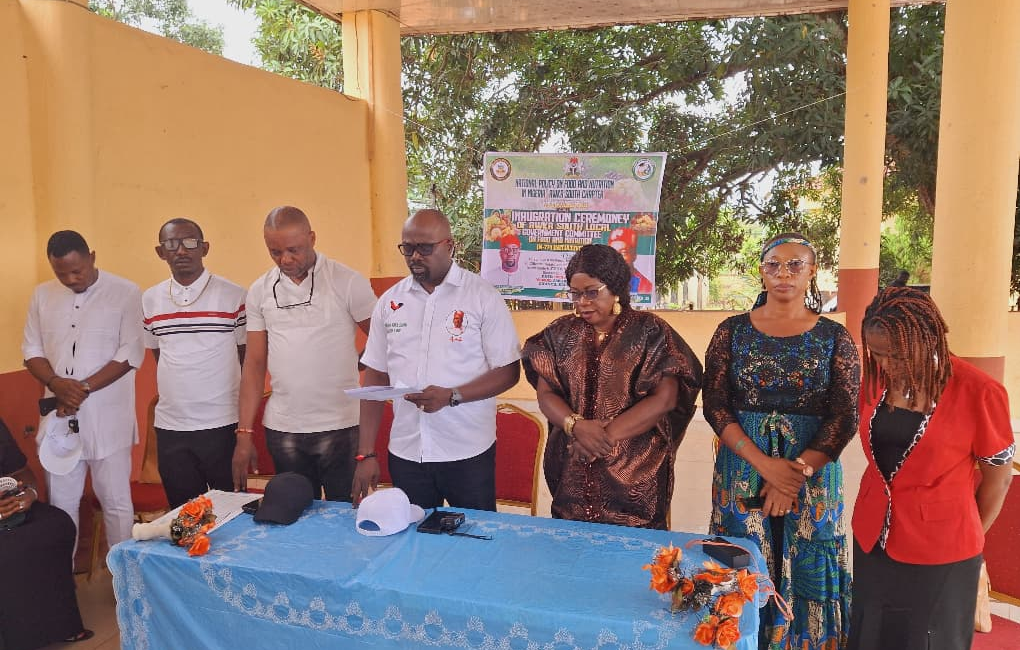
The inauguration ceremony, held at the Anambra State Ministry of Agriculture Conference Hall, brought together key stakeholders for an interactive engagement session. Mr. Ezenwa Ihejiofor, Commissioner for Agriculture, led the proceedings and emphasized the significance of the initiative.
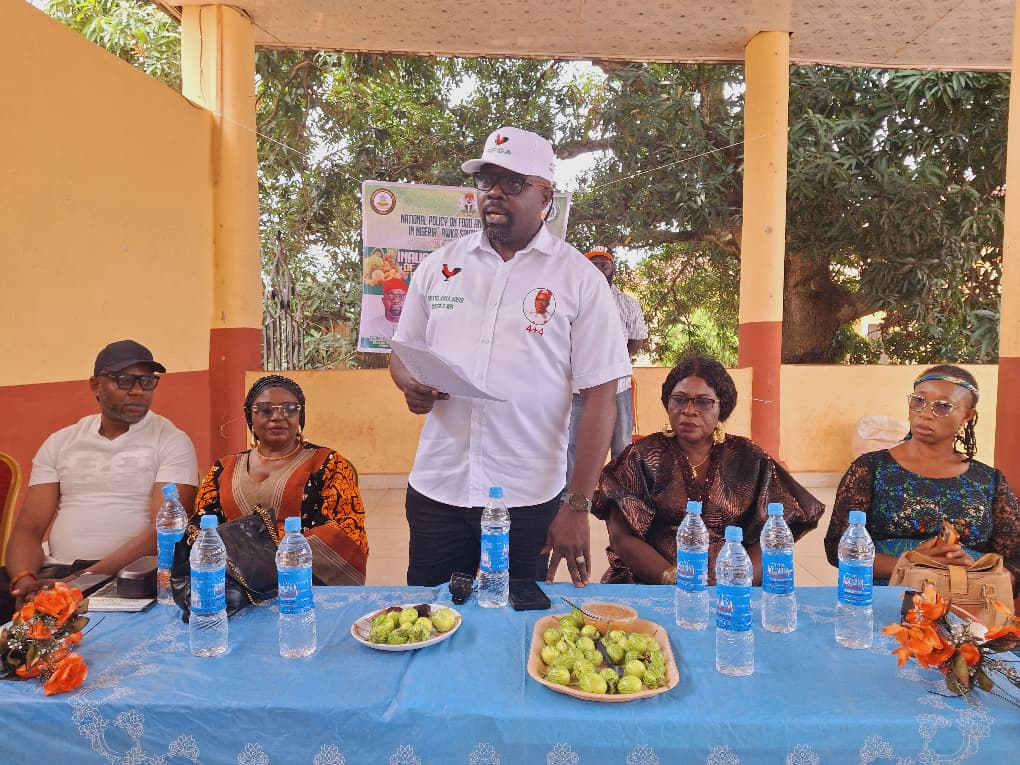
“Palm oil is more than a source of livelihood—it is an engine of commerce and a symbol of our agricultural heritage,” Ihejiofor stated. “The challenges facing the industry are enormous, but through collective effort, we can restore pride to the palm oil sector.”
He highlighted the importance of accountability and traceability in the sector’s operational framework. The newly inaugurated committees are tasked with registering all actors in the palm oil value chain—including farmers, processors, cooperatives, transporters, and marketers—into a transparent and traceable database.
“Your role is pivotal,” the Commissioner added. “This initiative will help us build a reliable system that ensures quality, boosts market confidence, and positions Anambra as a leader in sustainable palm oil production.”
In a related development, High Chief Arthur Mbuba, State Director at the Federal Ministry of Agriculture and Food Security, praised Anambra for being among the first states to implement the NAPOTS framework.
“I want to especially thank the Commissioner for Agriculture. He has made my work easier by clearly outlining the responsibilities of stakeholders,” Mbuba said.
He noted that Anambra had already taken proactive steps, including the distribution of palm oil seedlings by the state government, which places the state on the fast track compared to others.
“The NAPOTS initiative allows for tracking palm oil from production to export, reducing illegality and boosting output. It’s a collaborative effort that must reach the grassroots to build a robust and reliable database,” he added.
Mr. Karma Bako, a representative from NAFDAC, also commended the Anambra State Government for replicating the national NAPOTS initiative at the state level. He stressed the importance of grassroots implementation, noting that most palm oil production occurs in rural communities—not in urban centers like Abuja or Lagos.
“Our people need to be aware of the dangers of palm oil adulteration. I commend Anambra for aligning its policies and harmonizing standards to address this issue,” Bako said.
The inauguration was attended by several dignitaries, including: Mrs. Ifeyinwa Uzoka, Permanent Secretary, Anambra State Ministry of Agriculture, representatives from the Standard Organization of Nigeria (SON), Nigeria Export Promotion Council (NEPC), Nigeria Investment Promotion Council (NIPC).
Stakeholders expressed support for improved compliance and quality management in the palm oil sector, positioning Anambra for national and international benchmarks in sustainable agriculture.
- Orji is of the Ministry of Information, Anambra State *