By Uche Kalu
It was a rich celebration of Igbo heritage as the Council of Igbo States in America (CISA), in collaboration with the Igbo World Assembly (IWA), staged the maiden edition of the CISA Festival of Arts and Culture in Anambra State.
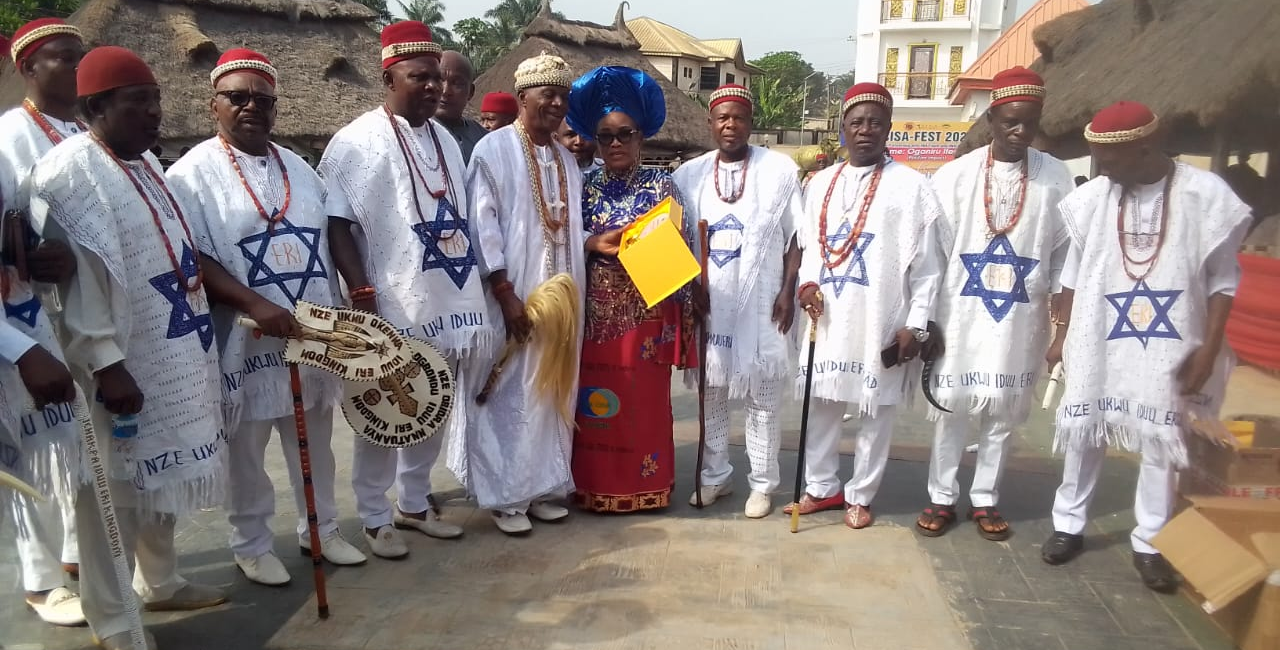
The colourful event, held at Ikendigbo Event Centre, Abagana, Njikoka Local Government Area, on Friday, December 12, brought together prominent Igbo sons and daughters from within Nigeria and the diaspora. Dignitaries at the festival included a Caribbean-born Igbo descendant, Prince Sidney Davis Eluemuno; the royal father of the day, His Majesty, Eze Chukwuemeka Eri, Eze Akaji Ovo Igbo; the Regent, Dr. Nwachukwu Anakwenze, as well as community leaders, scholars and cultural enthusiasts.
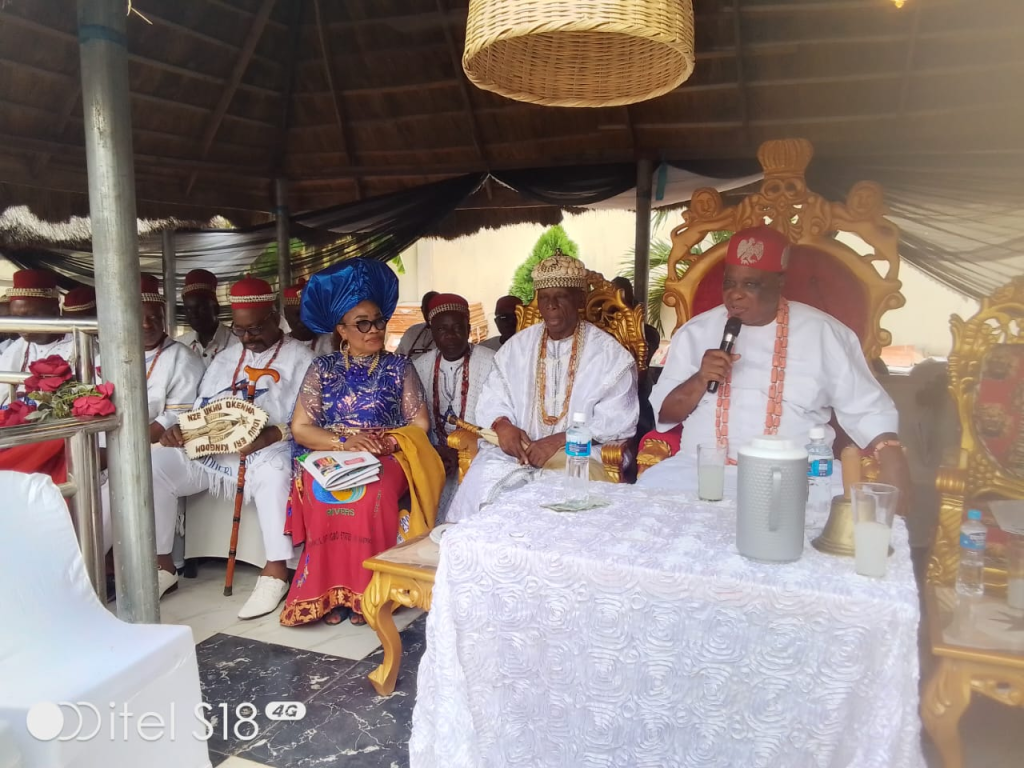
With the theme, “Oganiru Ifediche (Positive Impact),” the festival was designed to reconnect global Igbo roots and promote a cultural renaissance anchored on shared history, values and identity.
Delivering the keynote address, Prof. Chidi G. Osuagwu called on Igbos in the diaspora to sustain their cultural sovereignty and deepen ties with their ancestral homeland. He described the Igbo identity as one rooted in freedom, resilience and an enduring homing instinct, noting that the Igbo have historically resisted the erosion of their sovereignty despite centuries of displacement and external pressures.
In his lecture titled “Transatlantic Igbo Civilization Bridge and Ndubuisi World Order,” Prof. Osuagwu, who is also Chairman of the African Centre for Biomedical Engineering Research, said the Igbo nation has, from ancient times, maintained a profound spiritual and cultural bond with home, even while scattered across continents. He drew parallels between early Igbo civilizational values and global Black resistance movements, referencing figures such as Bishop Henry McNeal Turner and Edward Wilmot Blyden, who championed the Back-to-Africa movement and Pan-Africanism in the post-slavery era.
He further recalled the tragic 1803 Igbo Landing incident in the United States as a powerful symbol of the Igbo homeland dream, noting that enslaved Igbo people chose death over a life in bondage, believing the ocean that brought them would return them home. He urged present-day descendants in the diaspora to see homecoming not only as a physical return, but as a cultural, psychological and spiritual reconnection with Igboland.
Addressing the gathering, President of CISA, Chief Dr. Mrs. Uzoamaka Josephine Aguoji, expressed delight that the vision of bringing the festival—long celebrated in the United States of America—back home had finally been realised. She stressed that true progress must be firmly rooted in culture, adding that the renaissance being pursued must be authentic, powerful and enduring.
Dr. Aguoji further noted that the festival was not intended as a one-off event, but the birth of a lasting tradition. “This dual-location model—celebrating in the diaspora and celebrating at home—must endure. I charge future leaders of CISA with a sacred responsibility to ensure that this festival continues to return home. The bond between the diaspora and the homeland is our most vital asset,” she said, while appreciating all contributors to the success of the event.
In an interview, President and Co-founder of the Igbo Landing Project, Prince Sidney Davis Eluemuno, called on people of Afro-American Igbo descent to return to their African Igbo roots. He said the time had come to heal the deep rupture caused by the transatlantic slave trade and to reconnect with the land, language and people of their ancestors.
“Our culture is African, and that is what we seek. When we were taken away, our language, nation and culture were stripped from us. It is time to come home and reclaim them,” he emphasised.
Also speaking, President-General of Abagana Welfare Union, Hon. Okafor Okunwa, described the Igbo as one of the most intelligent and forward-driving peoples in the world. He expressed pride that Abagana was chosen to host the maiden edition of the festival and commended Prince Eluemuno for his commitment to preserving Igbo culture and tradition.
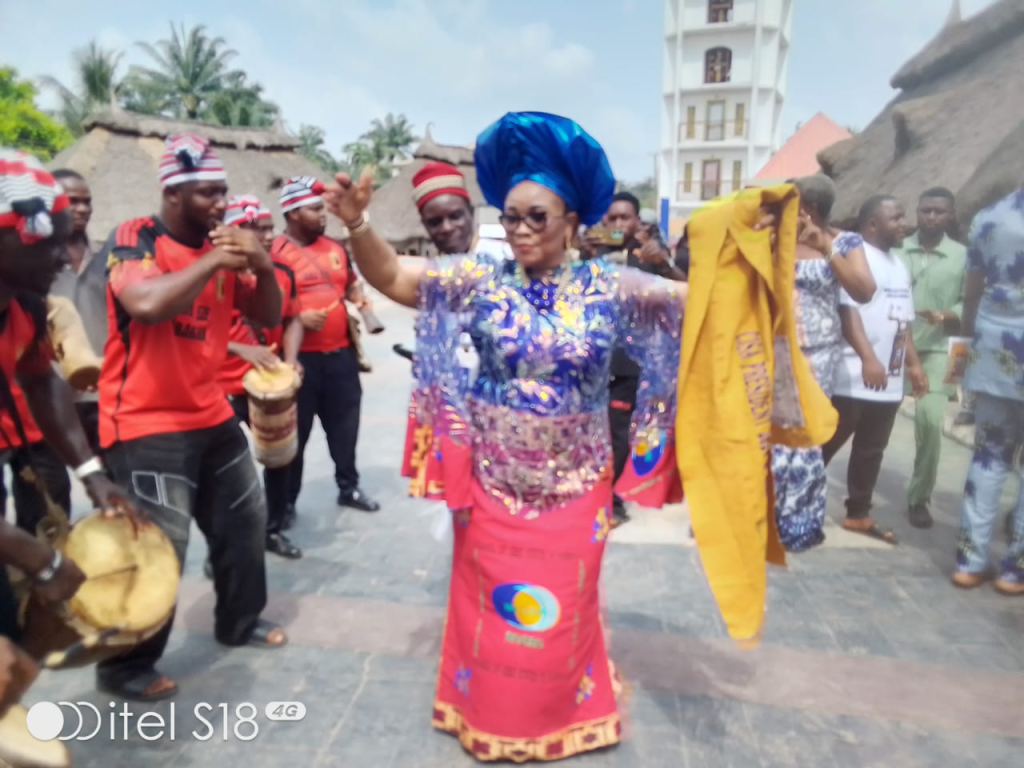
The event climaxed with vibrant cultural performances, including traditional dances and masquerade displays. Also in attendance were representatives of Igbo cultural groups from 7 Igbo speaking States of Nigeria showcasing the richness and diversity of Igbo heritage.