By Uzo Ugwunze
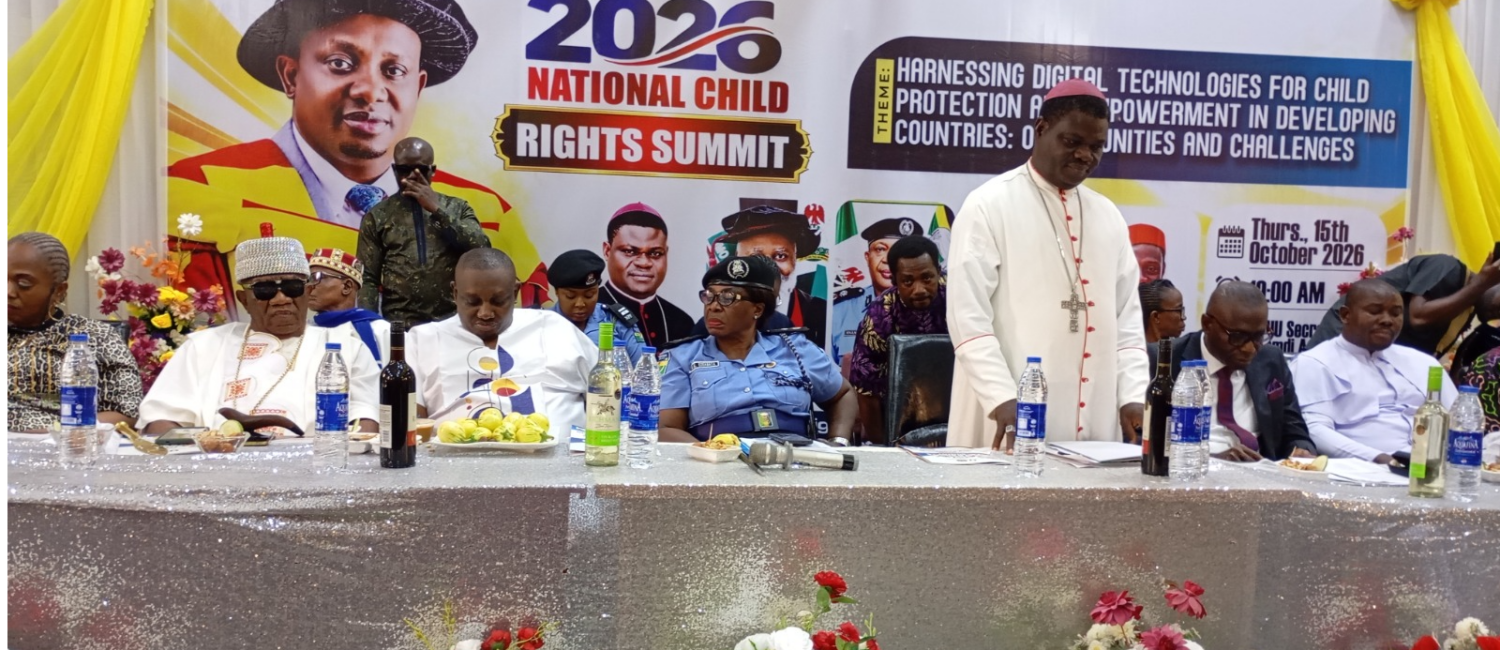
Experts at the 2026 National Child Rights Summit have called for child centred Artificial Intelligence (AI) policies and urgent support for displaced children to protect their rights, safety and access to education.
The call was made on Oct. 15, at Nnamdi Azikiwe University (UNIZIK), Awka, during the summit themed “Harnessing Digital Technologies for Child Protection and Empowerment in Developing Countries: Opportunities and Challenges.”
The event brought together policymakers, academics, traditional rulers, security agencies, religious leaders, child rights advocates and technology experts.
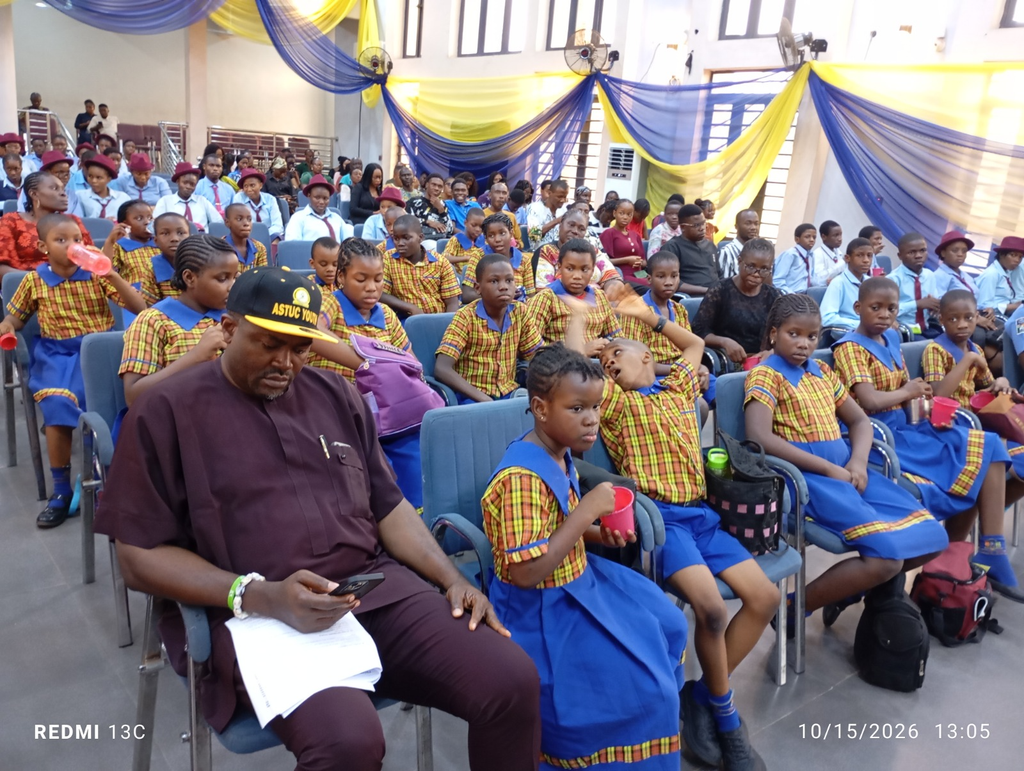
Speakers noted that AI could improve personalised learning, translation, research and access to educational resources for children with disabilities. They, however, warned that inadequate safeguards could expose children to privacy breaches, misinformation, discrimination, impersonation, online exploitation and harmful content.
The keynote speaker, Bishop of Makurdi Diocese, Most Rev. Wilfred Chikpa Anagbe, called for clear regulatory frameworks to protect children’s interests. He said discussions on AI should address not only its capabilities but also its limits, beneficiaries, safeguards and accountability when harm occurs.
Anagbe also urged authorities to bridge the digital divide, particularly in rural communities affected by poverty, poor internet connectivity and low digital literacy.

He highlighted the plight of displaced children in Benue State, citing estimates of about two million internally displaced persons and 40 camps, and lamented that many children had spent years in camps without schooling and adequate parental care following attacks on communities and places of worship.
He called for stronger government and security measures to protect lives and restore essential services.
The summit stressed that child protection should not mean isolating children from technology but equipping them to use it responsibly. Parents were urged to improve their digital literacy, guide their children’s online activities and create a supportive environment where children could report abuse without fear.
Declaring the summit open, UNIZIK Vice-Chancellor, Prof. Bond Stanley Anyaehie, advocated responsible technology use and patient parental guidance rather than restrictions alone. He disclosed that the university was exploring a partnership to provide specially designed tablets with restrictions on social media and harmful websites to support children’s learning.
Earlier, the Chairman of the university’s Child Rights Committee, Dr. Obiora Edogor, called for support for a proposed Child Rights Media and Communication Centre at the institution. He said the centre would serve as a multidisciplinary African hub for child protection through responsible technology, research, strategic communication and partnerships.
The Chairman of the occasion, represented by Deputy Commissioner of Police Ngozi Ezeabata on behalf of Anambra State Commissioner of Police Nnanna Ama Oji, called for a safer digital environment for children.
Ezeabata said children faced risks including cyberbullying, grooming and sexual exploitation, while poor infrastructure, weak law enforcement and stigma often discouraged the reporting of abuse. She also cited a recent Anambra case in which a mother allegedly exploited her daughters.
She introduced the police command’s Gender Unit as part of efforts to address gender related concerns and urged stakeholders to ensure that children benefited from digital technologies without compromising their safety and dignity.
Uzo Ugwunze is of the Ministry of Information and Value Reformation, Anambra State
#ChildRights
#ResponsibleAl
#DigitalInclusion